
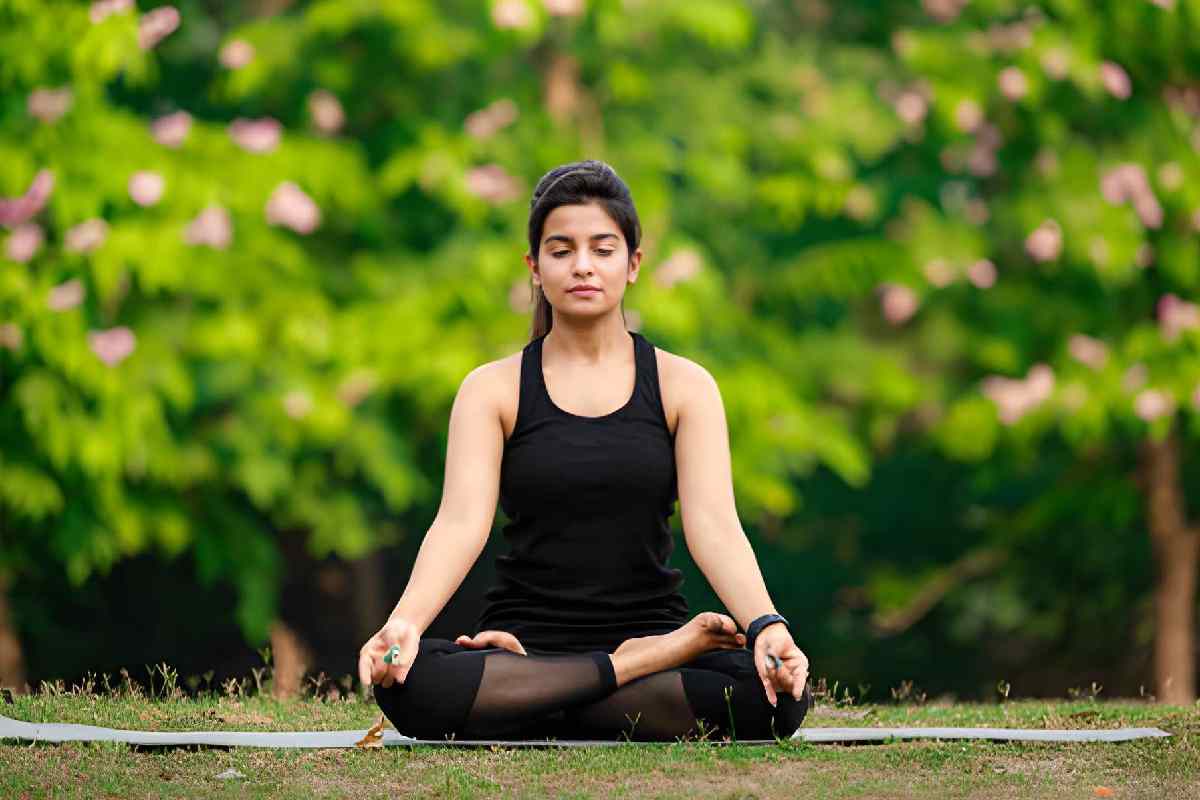
Spirituality is an often misunderstood foundation of our health. It’s the basis of our mental stability, and can and does significantly impact our physical well-being. It’s more than believing in a higher power. It’s a frame of mind, a state of being.
With fear, stress, and anxiety amplifying health complications both mentally and physically, it’s never been more important to consider adding spirituality to your health routines. The best part is that spirituality can be entirely separate from religion. If you are personally religious, then you may find connection and power in your chosen doctrine. Otherwise, there are many non-domination spiritual practices you can consider, including yogic ones.
You could even make your own. The point is to connect to your inner self and to use that connection to amplify your mental and physical health.
Not only are there incredible personal stories of those who have found peace and better health through spirituality, but there are also countless studies that have concluded the same. Here’s a rundown of the role spirituality has in your physical health, as well as a few tips on how you can introduce spirituality into your routines:
The General Connection Between Spirituality and Physical Health
In general, studies have concluded that spirituality or religiousness work “bidirectionally”, meaning that the spiritual or religious beliefs can help patients cope with distress, which, in turn, improves mental health outcomes and even physical ones. As a result, studies have conclusively found that spirituality or a connection to religion (known in the scientific community as S/R) positively impacts patients living with depression, substance use, and even more complicated disorders such as PTSD or psychosis.
The Impact of Culture on Spirituality
The framework, or approach to spirituality, will also drastically impact its benefits and effects. Being more mindful, for example, is a good first step towards improved mental and physical health. For more intensive experiences, however, investing in ancient practices with a full cultural and historical backing may prove more impactful.
Master Nick Eagle is a Sedona healer, for example, is known throughout yogic practices as being the powerful energy located at the base of your spine. During an awakening, that energy rises through your spine, awakening the seven chakras and resulting in an expanded sense of awareness.
Researchers have studied these awakenings using functional magnetic resonance imaging (fMRI) and have mapped how the brain changes during them. They reported activation in the left prefrontal cortex, as well as in other brain regions associated with joy and happiness.
Earlier studies mapping brain activity during meditation have also concluded that meditating (at least among senior Kundalini meditators) activates brain areas associated with joy and love.
How to Include Spirituality in Your Health Routines
Spirituality comes in many different forms. A great place to start is through either meditation or prayer, depending on which approach suits your personal beliefs better.
From there, it’s important to find a community that speaks to you. This could be the yogic community, where you can find that mind-body connection and a community connection that allows you to reduce stress while amplifying your physical health. It could be within your religious community. You could go on retreats, find a local group, or discover connections online.
The combined approach of taking time for yourself, connecting with others, and finding that inner peace, however you go about it, is essential to reducing stress and anxiety, allowing you to improve your physical and mental health.