
We have all been at exactly the moment when our excitement about potential skin treatment results collides with reality. The skin, which felt renewed is now reactive, flushed, warm, tight, or rough.
This is a common phenomenon, and many people do not understand what is going on. This transition can be confusing, especially when the healing process appears slower than expected.
In the real-world, the delay rarely comes from the treatment itself.
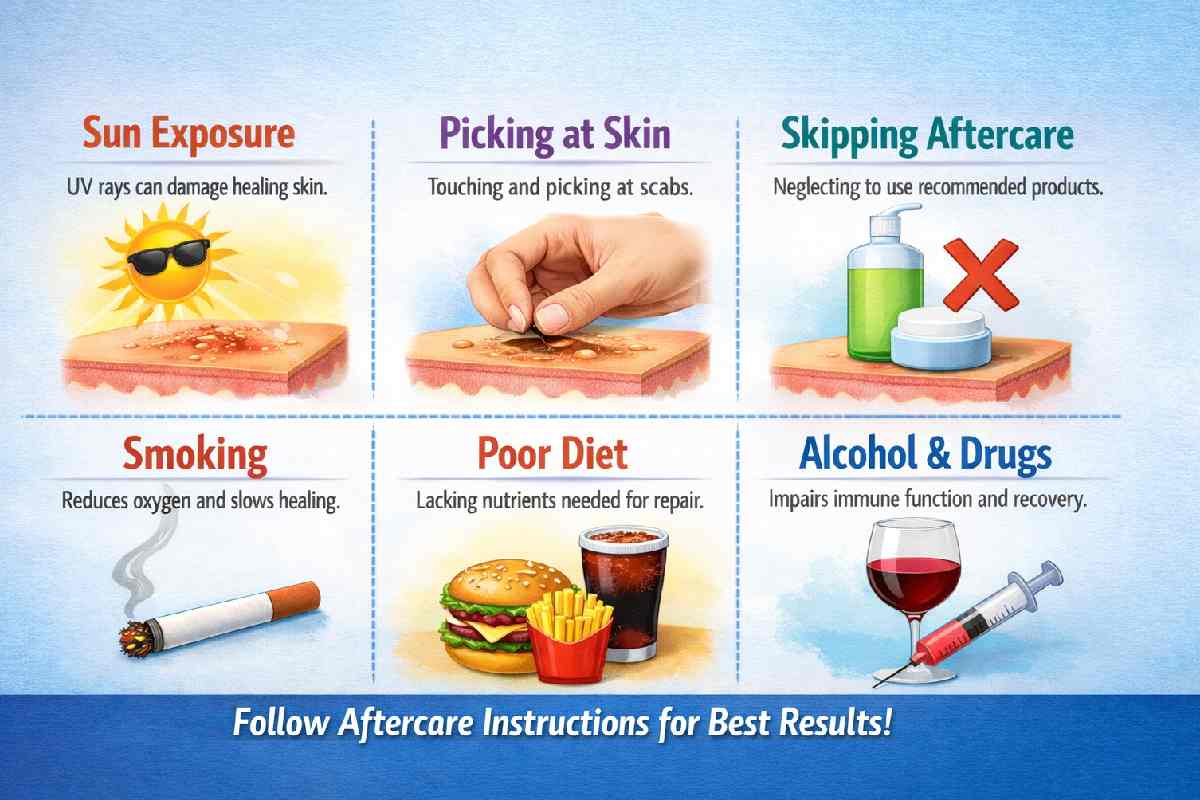
In fact, more often than not, the blame lies in the recovery mistakes you might be committing unknowingly. This necessitates that you follow along to learn what you should do after skin treatment to make the results last.
What Happens To The Skin Post-Treatment?
Before jumping into a post-treatment skincare regimen, you need to deal with the fundamentals first. For that, you need to understand what happens to your skin right after a specialized skin treatment.
After an aesthetic procedure, the skin enters a biologically orchestrated repair phase. The epidermal barrier becomes more vulnerable as inflammation rises, moisture levels fluctuate, and cellular turnover accelerates.
The body responds to these changes by sending growth factors, oxygen, and nutrients to the affected area. However, this is not at all an instantaneous process by any means. Worse, poor hygiene and misinformed skincare steps can further slow this process down—your skin becomes more susceptible to delayed healing, hypersensitization, etc.
This is why you need to understand what factors are impeding your healing journey.
Culprits That Slow Healing
Overcleaning
We understand the urge to peel the dirt and gunk from your face after a long day outdoors or just after treatment. In most cases, the skin might show signs of flaking and oozing. As a result, the most natural thing that people end up doing is cleaning, cleaning, and cleaning some more.
This is absolutely wrong, and counterintuitively, can delay healing.
The reason is simple: overwashing removes protective lipids, disrupts the microbiome, and strips the barrier at the exact time it needs stability.
Therefore, instead of vigorously cleansing your face, try using gentle cleansing products containing peptides and panthenol. They restore the skin’s biome and accelerate healing.
Using Harsh Active Ingredients Too Soon
This is quite common, and almost everyone is guilty of this mistake. Some people believe that harsh chemicals, such as acids, retinoids, benzoyl peroxide, exfoliating cleansers, and vitamin C serums, are perfect because they ‘burn’ the dirt and other irritants from your face.
However, the mild stinging sensation you feel is not burning away pollutants and other irritants; it is your skin getting damaged. Therefore, do not make them a part of your post-treatment skincare as they are too powerful.
Now, we are not against these components. We do believe that they have their use, but that use is not applicable during the first one or two weeks of your healing journey.
Touching The Skin Too Much
Some people have the tendency to touch their face, especially during the scabbing or peeling stage of the process. This is a big no, as it can cause micro-damages to your skin. These damages can keep your facial skin flushed and overstimulated.
Incessantly touching your treated skin can further complicate the whole thing by adding foreign bacteria and microbes to the mix. This, in turn, can increase the risk of infection, which can not only derail the healing but also cause newer problems.
Product Hopping
Recovery is a nuanced process that demands consistency. As a result, changing products multiple times during this phase can confuse the skin. This is because each formula introduces new elements for the skin to deal with.
Variables such as pH levels, textures, preservatives, and fragrances can majorly affect healing. As a result, the already inflamed skin spot can be further damaged and react more severely.
Therefore, we suggest you choose aesthetician-approved Cosmedix products. Cosmedix creates products that do not provide ‘quick results’. Instead, they offer skin-first products that are backed by the biomechanics of the skin and help its healing journey.
Miscellaneous Internal Factors
Sometimes the answer is simply inside your body and the lifestyle that you lead. If your body is already struggling with existing challenges, handling new pressure can be difficult. In addition to the regimen you follow, you also need to maintain a healthy lifestyle.
Ensure that your body’s fat levels, skin health, and hydration are at optimal levels. This automatically sets off a chain of positive reactions that can accelerate your healing journey and minimise backfiring.
Food For Thought: What Delays Skin Healing?
The recovery part of your skin can be severely affected by a gamut of behaviors, such as:
- Internal health of your body
- Product hopping frequently
- Touching the skin too much
- Using harsh actives too soon
- Overcleaning
To counter all of these things, we suggest you calibrate your lifestyle to address these lapses and help your skin become more responsive to the healing journey.
In fact, choosing aesthetician-approved products could also be another solution that you could opt for. This is where Cosmedix comes into play. Cosmedix pioneers skin-first formulas that care for your skin, and does not present you with result-based “fairy dust” with no clear methodology in place.
Skincare: A Routine & Not A Checkpoint
Post-treatment skincare is not at all a linear event with metric checkpoints. Your skin is a “living organism” with its own temperament. Therefore, if you actually want results that last, you need to take a different approach altogether.
The first step on this journey is realising that skincare is a routine that shows promise when repeated enough. It is true that a single microneedling session can offer visible short‑term improvements in glow and texture. However, it is the consistent treatments paired with proper aftercare that offer the more meaningful, longer‑term benefits.
Hence, if you are planning to see sustained results, then consider following a routine that helps your skin to heal over time.