
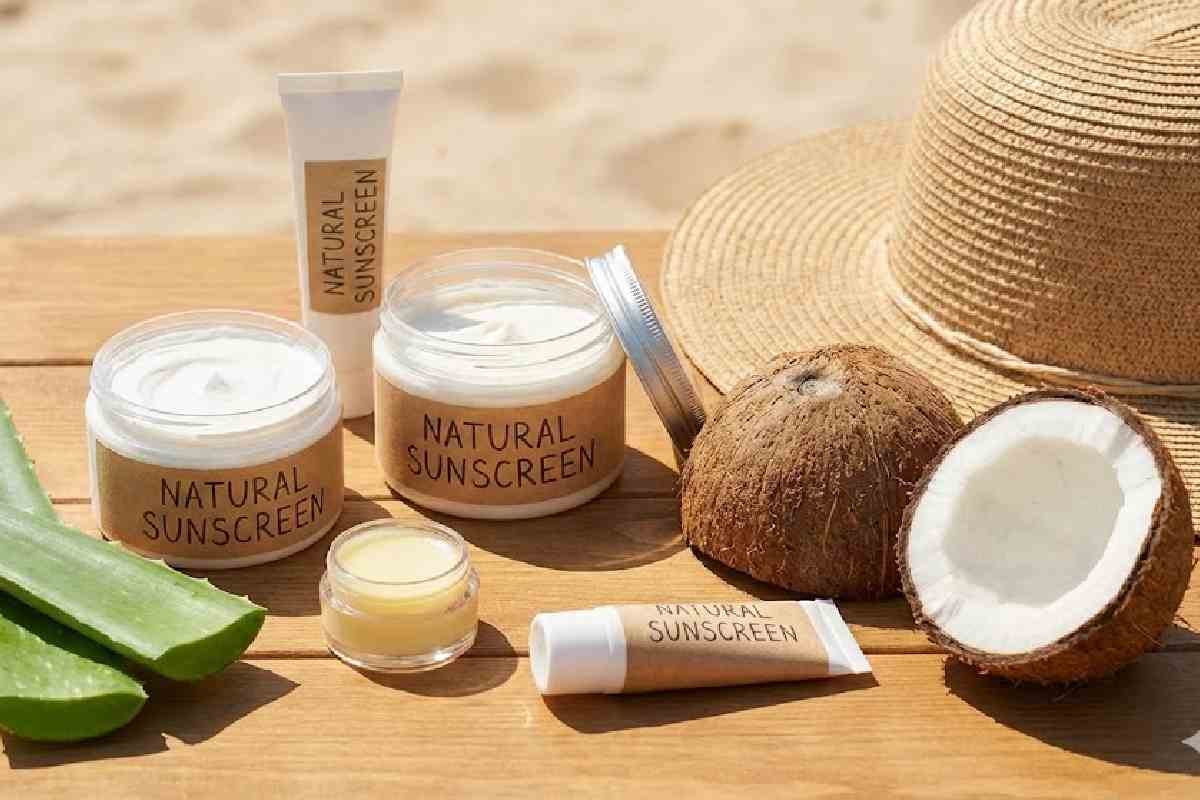
We all know sunscreen is important, yet it’s surprising how many people still apply it incorrectly. Some dab a little and rush out, while others skip reapplication altogether, assuming one morning layer will last all day. When it comes to sun protection, how you apply sunscreen is just as important as what you use. This is especially true if you prefer plant-based, mineral, or skin-friendly formulas over chemical-heavy products.
With rising awareness around clean beauty and eco-conscious skincare, more people are switching to gentler alternatives. However, using them incorrectly can significantly reduce their effectiveness. Whether you spend most of your time outdoors or just commute daily, understanding the right technique can make all the difference in protecting your skin from sun damage, tanning, and premature ageing.
Why Correct Application Matters More Than You Think
Using a natural sunscreen is a great choice for sensitive skin, but it only works well when applied properly. Many users apply too little product, spread it unevenly, or forget crucial areas like the ears, neck, and hairline. This leads to patchy protection and leaves your skin vulnerable to harmful UVA and UVB rays.
Before sunscreen, prepping your skin matters too. Applying it on dry, flaky, or irritated skin can reduce absorption and coverage. This is where simple skin-prep steps, like using a soothing rose toner, help balance the skin’s pH and create a smooth base. When sunscreen is layered on well-prepped skin, it spreads evenly and offers consistent protection throughout the day.
Choosing the Right Formula for Your Skin Type
Not all sunscreens are created equal. Natural and mineral-based sunscreens typically use ingredients like zinc oxide or titanium dioxide to physically block UV rays rather than absorbing them. These are especially suitable for sensitive, acne-prone, or dry skin types.
If you have oily or combination skin, look for lightweight, non-greasy textures that won’t clog pores. Dry skin benefits from formulas enriched with natural oils or botanical extracts. Always check labels for broad-spectrum protection and ensure the SPF level matches your daily exposure. Remember, higher SPF doesn’t mean you can apply less – quantity still matters.
Step-by-Step Guide to Applying Sunscreen Correctly
1. Start with Clean, Prepped Skin
Always apply sunscreen to freshly cleansed skin. Dirt, sweat, or leftover makeup can prevent even coverage. After cleansing, use a light toner or hydrating mist to calm the skin before moving to sunscreen.
2. Use the Right Amount
This is where most people go wrong. For your face and neck, you need roughly two finger lengths of sunscreen. For the entire body, about a shot-glass amount is recommended. Applying too little significantly reduces the SPF effectiveness.
3. Apply Before Sun Exposure
Sunscreen should be applied 15–20 minutes before stepping outside, even if it’s cloudy. This allows the product to settle and form a protective layer on your skin.
4. Don’t Rub Aggressively
Gently dot the sunscreen across your face and then spread it evenly using soft, upward motions. Avoid harsh rubbing, as it can cause uneven patches or irritation.
5. Cover Often-Missed Areas
Pay attention to your ears, eyelids, sides of the nose, lips, neck, and hands. These areas are frequently exposed but often forgotten.
Reapplication: The Golden Rule of Sun Protection
One application is not enough, no matter how high the SPF is. Sunscreen breaks down with sweat, oil, and friction. Reapply every 2–3 hours, especially if you’re outdoors, swimming, or sweating.
For makeup wearers, reapplication can be tricky. Powder sunscreens, sprays, or sunscreen sticks are convenient options to top up protection without disturbing your base. Consistency is key – skipping reapplication cancels out all the effort you put in earlier.
Common Sunscreen Mistakes You Should Avoid
Even skincare enthusiasts make these mistakes more often than they realise:
- Applying sunscreen only on sunny days
- Using expired products
- Mixing sunscreen with moisturiser to “save time”
- Skipping sunscreen indoors despite screen exposure
- Assuming makeup with SPF is enough
Sunscreen should always be the final step of your skincare routine (before makeup). Never dilute it with other products, as this reduces its protective ability.
Sunscreen and Seasonal Skincare Adjustments
Your sunscreen routine should evolve with the seasons. During summer, lightweight and sweat-resistant formulas work best. In winter, opt for nourishing textures that protect against both UV rays and dryness.
Monsoon weather may feel cloudy, but UV rays still penetrate through clouds. This makes daily sunscreen application essential year-round, regardless of the season or weather conditions.
Benefits Beyond Sun Protection
Using sunscreen daily doesn’t just prevent sunburn. It also helps reduce pigmentation, uneven skin tone, fine lines, and early signs of ageing. Over time, consistent use supports healthier skin texture and maintains a natural glow.
Natural formulas often include antioxidant-rich ingredients that protect against environmental damage while being gentle on the skin. This makes them ideal for long-term daily use without irritation.
How to Make Sunscreen a Daily Habit
The best sunscreen is the one you actually use every day. Keep it visible on your dressing table, in your bag, or near your door to build consistency. Pairing it with your morning skincare routine helps make application automatic rather than optional.
If you’re new to sunscreen, start slow. Once you see improvements in tanning control and skin texture, it naturally becomes a non-negotiable part of your routine.
Final Thoughts
Applying sunscreen correctly is one of the simplest yet most powerful skincare habits you can build. From choosing the right formula to using the correct amount and reapplying on time, small changes can lead to big results. When used properly, a well-formulated sunscreen protects your skin, preserves its health, and supports long-term beauty—especially when paired with a consistent morning and night skincare routine.
Sun care isn’t about fear – it’s about smart prevention. If you already follow a morning vs. night skincare routine that actually matters, adding daily SPF is the final protective step that locks in all that effort. Make sunscreen your everyday shield, and your skin will thank you for years to come.