
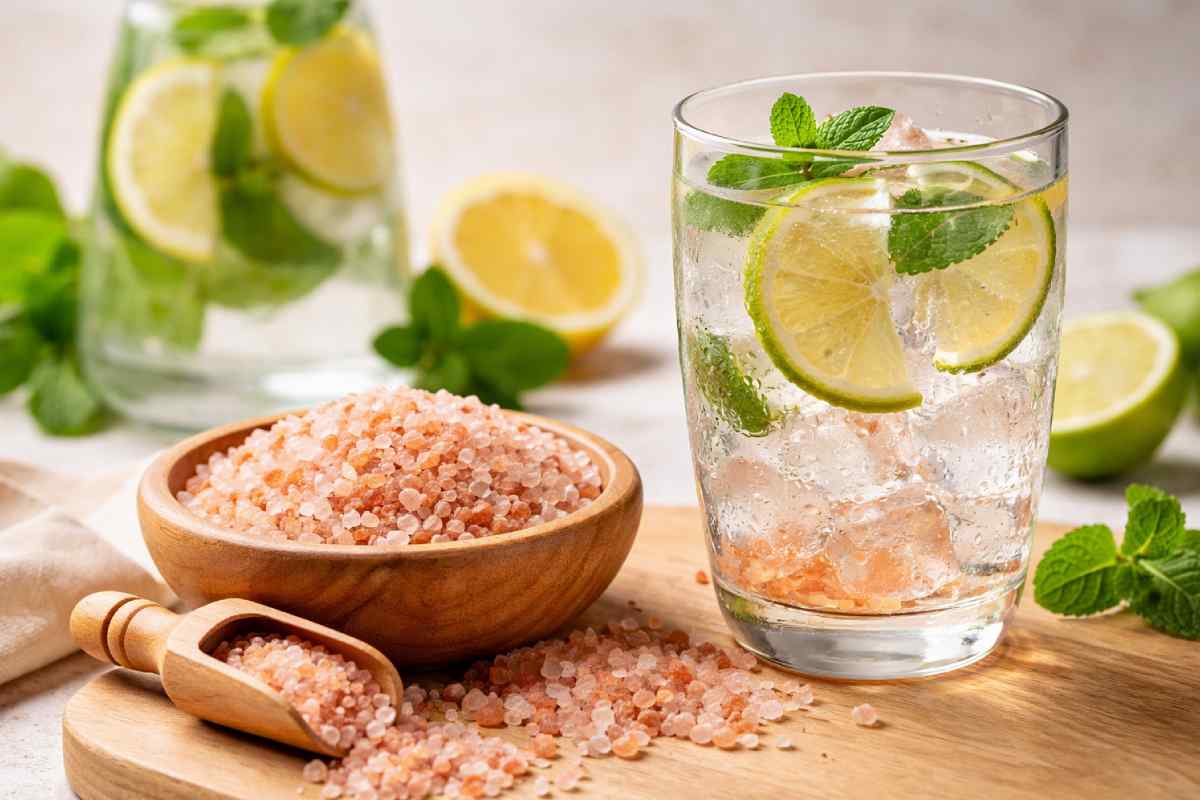
Hydration is often simplified to one basic rule: drink more water. While water intake is essential, true hydration is more nuanced than simply refilling your glass. In recent years, Himalayan pink salt has gained attention for its potential role in supporting hydration, particularly due to its mineral content and natural composition. But can it really make a difference, or is it just another wellness trend?
Here’s a closer look at how Himalayan pink salt may influence hydration and where it fits into a balanced approach to fluid intake.
Understanding What Hydration Really Means
Hydration isn’t just about the volume of water you drink — it’s about how effectively your body absorbs and uses that water. Proper hydration depends on a balance of fluids and electrolytes, including sodium, potassium, magnesium and calcium. These minerals help regulate nerve function, muscle contractions and fluid balance within cells.
When electrolytes are depleted — through sweating, physical activity or heat — drinking plain water alone may not fully restore balance. This is where small amounts of mineral-rich salts can potentially play a role.
What Makes Himalayan Pink Salt Different?
Himalayan pink salt is a natural rock salt mined from ancient salt deposits. Unlike highly refined table salt, it undergoes minimal processing and retains trace amounts of minerals that contribute to its distinctive pink hue.
These trace minerals are often cited when discussing Himalayan pink salt benefits, particularly in comparison to standard table salt, which is stripped of most natural minerals during refinement. While the mineral quantities are small, the broader appeal lies in its less processed nature and absence of added anti-caking agents.
How Salt Supports Hydration
Sodium plays a critical role in hydration by helping the body retain and distribute water. Without enough sodium, fluids may pass through the body too quickly rather than being absorbed into cells. Adding a very small amount of Himalayan pink salt to water may:
- Support fluid absorption at a cellular level
- Help replenish electrolytes lost through sweat
- Reduce the likelihood of over-diluting electrolytes when consuming large amounts of water
This is why salt is a key ingredient in oral rehydration solutions and sports drinks — though those products contain carefully measured amounts.
Is Himalayan Pink Salt Better Than Regular Salt for Hydration?
From a hydration perspective, sodium is the primary functional mineral, regardless of the salt source. Himalayan pink salt and regular table salt both contain sodium chloride, which is essential for fluid balance.
The main differences lie in processing and additives. Himalayan pink salt is less refined and contains trace minerals, while table salt is often iodised and includes anti-caking agents. For people seeking a more natural option with minimal processing, Himalayan pink salt may be preferred, but it’s important to understand that the hydration benefits come primarily from sodium itself.
Using Himalayan Pink Salt Safely for Hydration
If you choose to use Himalayan pink salt to support hydration, moderation is key. Excessive salt intake can contribute to high blood pressure and other health concerns. A gentle approach may include:
- Adding a very small pinch to a large glass or bottle of water
- Using it occasionally during periods of heavy sweating, exercise or hot weather
- Pairing it with a diet rich in whole foods that naturally contain electrolytes
It should never replace medical hydration solutions when those are required, nor should it be used excessively.
Who May Benefit Most?
Himalayan pink salt may be useful for:
- People engaging in endurance exercise or physical labour
- Those living in hot climates with higher sweat loss
- Individuals who drink large volumes of water and want to maintain electrolyte balance
However, anyone with high blood pressure, kidney conditions or salt-sensitive health concerns should seek professional advice before increasing salt intake.
Himalayan pink salt can play a small, supportive role in hydration… when used thoughtfully
While it’s not a magic solution, its sodium content helps the body absorb and retain fluids more effectively, especially during times of increased demand. Hydration is best supported through a combination of adequate water intake, balanced nutrition and appropriate electrolyte replacement. Himalayan pink salt may complement that approach — but like all things related to health, balance and moderation matter most.